
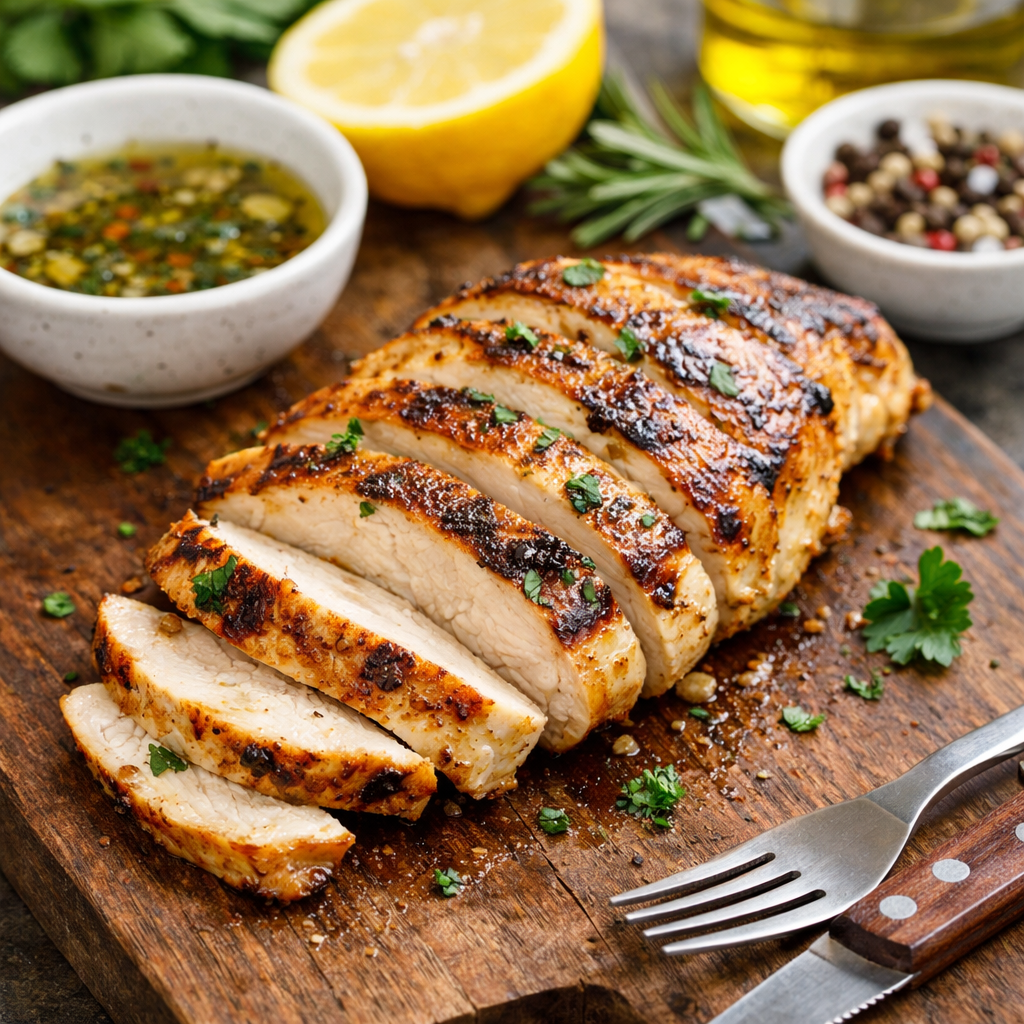
The Secret to Cooking Juicy Chicken Every Time
Chicken is one of the most common ingredients in everyday cooking, yet it is also one of the easiest to overcook. Many home cooks struggle with dry chicken that lacks flavour or texture. The good news is that a few simple techniques can make a huge difference.
Choose the Right Cut
Chicken thighs naturally contain more fat than chicken breast, which helps them stay juicy during cooking. They are more forgiving and work well in roasting, grilling, and pan cooking.
Chicken breast can still be very tender, but it requires a bit more attention to avoid overcooking.
Use a Simple Marinade
A marinade helps flavour penetrate the meat while also improving texture. A good basic marinade usually contains three elements:
- oil for richness
- acid such as lemon or vinegar
- spices or herbs for flavour
Even 30 minutes of marinating can noticeably improve the result.
Do Not Overcrowd the Pan
When too much chicken is placed in a pan at once, the meat releases moisture and begins to steam instead of searing. Cooking in batches allows proper browning and better flavour development.
Cook Until Just Done
Chicken continues to cook slightly after being removed from heat. Taking it off the stove just before it is fully done helps prevent dryness.
For most cuts, the meat should be opaque and firm but still moist inside.
Let the Chicken Rest
Allowing cooked chicken to rest for a few minutes before slicing helps the juices redistribute throughout the meat. Cutting immediately after cooking often causes those juices to run out, leaving the chicken drier.
Simple Cooking Makes the Biggest Difference
Juicy chicken is not about complicated techniques. Choosing the right cut, using a quick marinade, and paying attention to cooking time can turn a simple ingredient into a consistently satisfying meal.
With these small adjustments, chicken becomes one of the easiest and most reliable proteins to cook at home.
 My Comfort Kitchen